


How to care for newborn kittens the right way. Learn feeding, warmth, hygiene, and safety tips to raise healthy, happy baby cats.
How to care for newborn kittens starts with three basics: warmth, proper feeding, and hygiene. Newborn kittens cannot regulate body temperature, eat solid food, or use the bathroom alone. They need round-the-clock care, especially in the first four weeks of life.
How To Care For Newborn Kittens
Have you ever found tiny kittens meowing loudly and wondered, “Can I really keep them alive?” It feels scary at first. They look fragile. They are tiny. But with the right steps, you can help them grow strong and healthy.
Caring for newborn kittens means acting like their mom. You provide heat. You feed them kitten formula every few hours. You help them pee and poop. And you watch closely for health problems. It sounds like a lot, but once you learn the routine, it becomes simple and rewarding.
Understanding Newborn Kitten Basics 🐱
Newborn kittens are completely dependent. For the first two weeks, they cannot see or hear clearly. Their eyes usually open between 7 to 14 days. Their ears slowly unfold too.
They cannot control body heat. They also cannot eliminate waste on their own. That means they rely on their mother — or you — for survival. Without warmth and food, they can decline quickly.
Here’s a quick look at early milestones:
| Age | What Happens | Care Focus |
| 0–1 Week | Eyes closed, crawl only | Warmth + frequent feeding |
| 1–2 Weeks | Eyes opening | Continue bottle feeding |
| 2–3 Weeks | Start wobbling | Stimulate bathroom time |
| 3–4 Weeks | Baby teeth appear | Begin weaning |
Knowing these stages helps you stay prepared.
Creating A Warm And Safe Nest 🧺🔥
Newborn kittens must stay warm. Their ideal body temperature is around 95–99°F in the first week. If they get cold, they cannot digest milk. That can be dangerous.
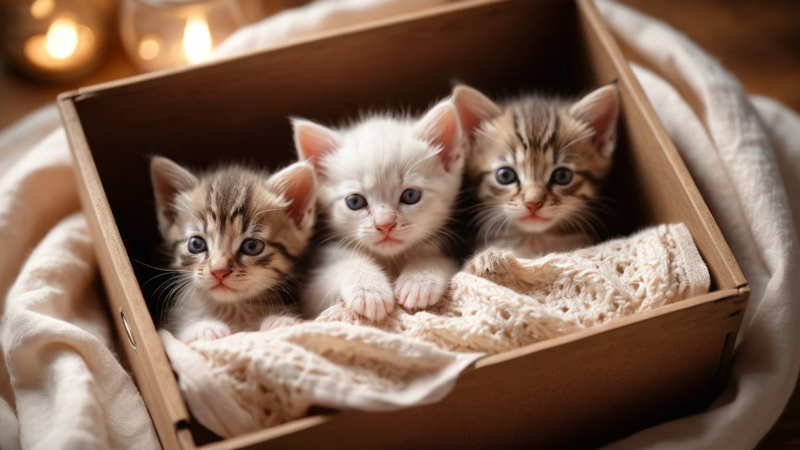
Use a small box or pet carrier. Line it with soft blankets. Place a heating pad under half the box, never directly touching the kittens. This allows them to move away if they get too warm.
Safe temperature guide:
- Week 1: 85–90°F room temperature
- Week 2: 80–85°F
- Week 3–4: 75–80°F
Always check their ears and paws. Cold kittens feel cool to the touch. Warm them slowly before feeding.
Feeding Newborn Kittens The Right Way 🍼
Feeding is the most important part of newborn kitten care. If the mother is present and healthy, let her nurse. Mother’s milk provides antibodies that protect against illness.
If you are caring for orphaned kittens, use commercial kitten milk replacer (KMR). Never give cow’s milk. It causes diarrhea and dehydration.
Hold the kitten on its belly while feeding. Never feed on the back like a human baby. This prevents choking.
Basic feeding tips:
- Warm the formula slightly.
- Use a kitten bottle or syringe.
- Let the kitten suck naturally.
- Burp gently after feeding.
Feeding should feel calm, not rushed.
Kitten Feeding Schedule By Age ⏰
Newborn kittens eat often. Their stomachs are tiny. Think of them like newborn babies.
Here’s a simple schedule:
| Age | Feeding Frequency | Amount Per Feeding |
| 0–1 Week | Every 2–3 hours | 2–6 ml |
| 1–2 Weeks | Every 3 hours | 6–10 ml |
| 2–3 Weeks | Every 4 hours | 10–14 ml |
| 3–4 Weeks | Every 5 hours | 14–18 ml |
Yes, that includes nighttime. It’s tiring. But this stage is short. By week four, things get easier.
A healthy kitten should gain about 10–15 grams per day. Use a kitchen scale to monitor weight.
Helping Kittens Pee And Poop 🚽
Did you know newborn kittens cannot use the bathroom alone? Their mother licks them to stimulate elimination. Without this, waste builds up.
After each feeding, use a warm, damp cotton ball. Gently rub the genital and anal area. Within seconds, the kitten should pee or poop.
Do this until they are about 3 to 4 weeks old. That’s when they start going on their own. If no urine appears within 24 hours, contact a vet immediately.
This step may feel strange at first. But it is lifesaving.
Monitoring Weight And Growth 📊
Healthy weight gain means healthy development. A newborn kitten usually weighs 3–4 ounces at birth. They should double their weight by 10 days.
Weigh kittens at the same time daily. Keep a simple notebook. If a kitten does not gain weight for two days, that’s a red flag.
Growth signs include:
- Stronger meowing
- Active crawling
- Firm belly after feeding
- Warm body temperature
“Small daily gains lead to big healthy cats.” 🐾
Keeping Newborn Kittens Clean 🧼
Kittens are messy eaters. Formula may spill on their fur. Sticky fur attracts bacteria.
Use a soft, damp cloth to wipe them gently. Dry them fully afterward. Never soak them in water. They get cold quickly.
Clean bedding daily. Replace wet blankets immediately. A clean nest reduces infection risk and keeps them comfortable.
Hygiene may seem minor. But in newborn kitten care, it makes a huge difference.
Recognizing Common Health Problems 🚨
Newborn kittens can decline fast. Early action saves lives. Watch closely for warning signs.
Common problems include:
- Fading kitten syndrome
- Diarrhea
- Constipation
- Dehydration
- Upper respiratory infections
Symptoms to watch:
- Constant crying
- Refusing food
- Cold body
- Pale gums
- Weak movement
If you notice these signs, contact a veterinarian immediately. Don’t wait.
Preventing Fleas And Parasites 🦟
Fleas can be deadly to newborn kittens. Even a few fleas can cause anemia. Check their skin daily.
If you see fleas:
- Use a flea comb
- Remove fleas manually
- Avoid chemical treatments unless approved by a vet
Never use adult flea products on newborn kittens. Their systems are too delicate.
Keeping their bedding clean also reduces parasite risks.
When To Start Weaning 🥣
Around 4 weeks old, kittens start showing interest in solid food. This begins the weaning process.
Mix wet kitten food with formula to create a soft slurry. Place it in a shallow dish. Expect mess. They will step in it at first.
Gradually reduce formula over the next two weeks. By 8 weeks, most kittens eat solid kitten food only.
Weaning timeline:
| Age | Food Type |
| 4 Weeks | Formula + slurry |
| 5 Weeks | Thicker wet food |
| 6–7 Weeks | Mostly wet kitten food |
| 8 Weeks | Wet or dry kitten food |
Patience is key here.
Socializing Newborn Kittens 🧡
Early socialization shapes personality. Handle kittens gently every day. Speak softly. Let them get used to human touch.
Between 2 and 7 weeks is the prime socialization window. Positive experiences now prevent fear later.
Encourage:
- Gentle petting
- Soft talking
- Safe exploration
- Short play sessions
Confident kittens become loving adult cats.
Setting Up A Safe Environment 🏠
As kittens grow, they explore more. Make your home kitten-proof.
Remove:
- Small objects
- Loose wires
- Toxic plants
- Open water bowls
Create a small safe room. Add a litter box around 4 weeks old. Use non-clumping litter to prevent ingestion.
A safe space reduces accidents and stress.
Introducing Litter Training 🚽🐾
Most kittens learn quickly. At 3–4 weeks, place them in a shallow litter tray after meals.
If they scratch the surface, that’s a good sign. Praise gently. Avoid punishment. Accidents happen.
Keep the litter box clean. Dirty boxes discourage use. Clean training leads to lifelong habits.
Visiting The Veterinarian 🏥
Even healthy-looking kittens need a vet visit. The first checkup usually happens around 6–8 weeks.
The vet will:
- Check weight and growth
- Test for parasites
- Plan vaccinations
- Discuss deworming
Vaccines typically begin at 6–8 weeks. Regular checkups ensure a strong start in life.
Caring For Orphaned Newborn Kittens 💔
Orphaned kittens need extra attention. Without their mother, you become their full-time caregiver.
Focus on:
- Strict feeding schedule
- Warmth at all times
- Daily weight tracking
- Close health monitoring
Orphaned kittens may need more stimulation and bonding. Extra love helps them feel secure.
It’s hard work. But saving a life feels incredible.
Emotional Bonding And Comfort 💕
Newborn kittens crave comfort. Even without their mother, they seek warmth and gentle touch.
Use soft blankets. Let them hear your voice. Some caregivers place a ticking clock nearby to mimic a heartbeat.
Emotional care matters as much as physical care. A calm environment reduces stress. Stress weakens immunity.
When kittens feel safe, they thrive.
Conclusion 🐾
Learning how to care for newborn kittens may feel overwhelming at first. But the formula is simple: warmth, feeding, hygiene, and love. Follow a feeding schedule. Monitor weight daily. Keep their nest clean and warm. Watch for warning signs.
These tiny lives depend on you. With patience and consistency, they grow into playful, healthy cats. And one day, you’ll look at them and think, “I helped you survive.” That feeling is priceless.
FAQs
How Often Should Newborn Kittens Be Fed?
Newborn kittens need feeding every 2–3 hours in the first week. Their stomachs are very small. As they grow, feedings become less frequent.
Can Newborn Kittens Drink Regular Milk?
No, they cannot digest cow’s milk properly. It causes diarrhea and dehydration. Always use kitten milk replacer formula.
When Do Newborn Kittens Open Their Eyes?
Most kittens open their eyes between 7 and 14 days old. Vision is blurry at first. It improves over time.
How Do I Keep Orphaned Kittens Warm At Night?
Use a heating pad under half the bedding area. Keep room temperature warm. Always check they are not overheated.
When Should Kittens First See A Vet?
Kittens usually visit the vet at 6–8 weeks old. That is when vaccines begin. Earlier visits may be needed if they seem sick.

Leave a Reply