Quiet cat breeds for apartment living that stay calm, gentle, and low-noise. Discover the best peaceful cats for small spaces.
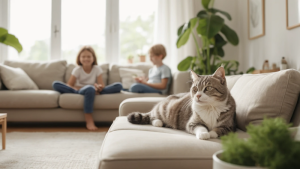
Quiet cat breeds for apartment living are calm, low-vocal cats that adapt well to small spaces. Breeds like Ragdolls, British Shorthairs, and Russian Blues are gentle, quiet, and affectionate. They make ideal companions for apartments because they rarely meow and enjoy peaceful indoor routines.
Quiet Cat Breeds For Apartment Living 🏢🐾
Ever worry that getting a cat might upset your neighbors or ruin the calm vibe of your apartment?
Good news. Some cats are naturally quiet, relaxed, and perfectly happy indoors.
Quiet cat breeds for apartment living are known for soft voices, calm personalities, and low activity bursts. They prefer cozy naps, gentle play, and human company over loud meowing. If peace matters to you, these cats are a great match.
What Makes A Cat Quiet And Apartment-Friendly 😺
Not all cats love to talk. Some communicate with soft looks, slow blinks, or gentle purrs. Quiet cats usually have calm temperaments and predictable routines.
Apartment-friendly cats also handle limited space well. They don’t need constant stimulation or outdoor access. Instead, they enjoy windows, cat trees, and daily human interaction.
Common traits of quiet apartment cats include:
- Soft or rare meowing
- Low to moderate energy
- Strong indoor adaptability
- Calm reactions to noise and guests
Why Quiet Cat Breeds Matter In Apartments 🔇
Apartments come with shared walls and close neighbors. A loud cat can quickly become stressful. Quiet breeds help maintain harmony without sacrificing companionship.
These cats are also easier to manage emotionally. Less noise often means less anxiety and fewer behavior problems. That’s a win for both you and your neighbors.
Peaceful home. Happy cat. Relaxed owner. 🧘♂️🐈
Ragdoll Cats: Gentle And Soft-Spoken 💙
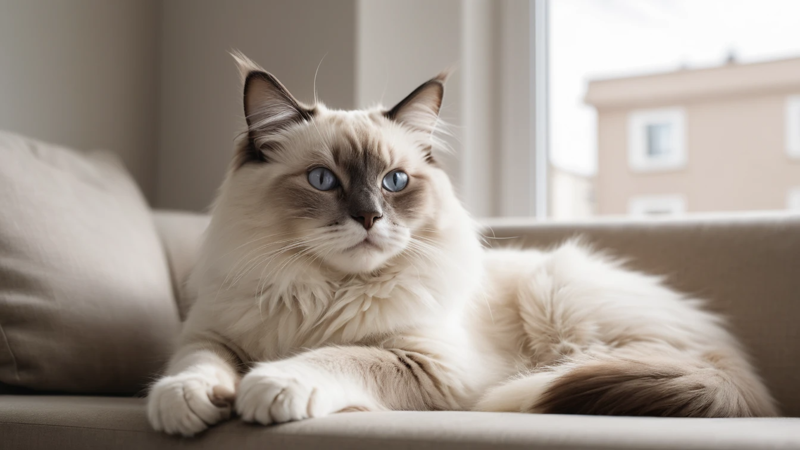
Ragdolls are famous for their calm, floppy nature. They rarely meow and prefer staying close to their humans. Their voice is soft and used only when needed.
They adapt well to apartment life because they love indoor comfort. Ragdolls enjoy lounging, gentle play, and cuddles. Loud behavior is not their style.
Why Ragdolls work well:
- Extremely quiet temperament
- Low aggression and stress
- Strong bond with owners
British Shorthair: Calm And Independent 🇬🇧
British Shorthairs are dignified and reserved. They don’t meow much and value quiet companionship. This makes them excellent apartment cats.
They are happy entertaining themselves or resting nearby. You won’t hear constant demands for attention. Their calm presence feels grounding.
Perfect for people who want:
- Minimal noise
- Independent yet loving pets
- Low-maintenance routines
Russian Blue: Silent And Observant 💎
Russian Blues are one of the quietest cat breeds. They communicate through body language more than sound. Their meows are rare and very soft.
They thrive in peaceful apartments with predictable schedules. These cats love calm environments and respectful owners. Loud homes may stress them.
“A Russian Blue feels more than it speaks.”
Scottish Fold: Sweet And Low-Key 😻
Scottish Folds are known for their adorable folded ears and gentle nature. They have soft voices and rarely vocalize without reason.
They enjoy quiet play and relaxed bonding time. Apartments suit them well, especially when routines stay consistent.
Scottish Folds enjoy:
- Calm homes
- Short play sessions
- Cozy sleeping spots
Exotic Shorthair: Quiet Lap Companion 🛋️
Often called the quiet version of the Persian, Exotic Shorthairs are mellow and affectionate. They prefer calm attention over noisy play.
They don’t meow much and are content staying indoors. Their laid-back attitude fits apartment living perfectly.
Great choice if you want:
- Low-energy cat
- Minimal noise
- Strong emotional bonding
Persian Cats: Peaceful And Relaxed 🌸
Persians are among the quietest cat breeds. They use soft chirps instead of loud meows. Their relaxed nature keeps the home calm.
They enjoy peaceful environments and slow routines. Apartments work well if grooming needs are managed.
Persians thrive with:
- Quiet households
- Predictable schedules
- Gentle handling
Birman Cats: Quiet But Social 🤍
Birman cats are affectionate without being loud. They enjoy human company but don’t demand attention with noise.
Their voice is soft and used sparingly. Birmans balance playfulness and calm energy well.
Why Birmans fit apartments:
- Soft vocal tone
- Moderate activity
- Friendly temperament
Chart Showing Quiet Cat Breeds And Noise Levels 📊
| Cat Breed | Vocal Level | Apartment Suitability |
| Ragdoll | Very Low | Excellent |
| Russian Blue | Very Low | Excellent |
| British Shorthair | Low | Excellent |
| Persian | Very Low | Good |
| Scottish Fold | Low | Very Good |
Are Quiet Cats Less Affectionate? 🤔
This is a common myth. Quiet cats can be deeply loving. They just express affection differently.
Instead of meowing, they cuddle, purr, or follow you around. Silence does not mean distance. It often means trust.
Affection doesn’t always need sound. ❤️
How To Keep Your Apartment Cat Quiet 🏠
Even quiet breeds can get vocal if stressed. Environment plays a big role in behavior.
Helpful tips include:
- Stick to feeding schedules
- Provide scratching posts
- Offer window views
- Use interactive toys
A calm environment encourages calm behavior.
Best Apartment Setup For Quiet Cats 🪟
Your apartment layout matters more than size. Cats want vertical space and safe hiding spots.
Essentials for a peaceful cat home:
- Cat trees or shelves
- Soft bedding in quiet corners
- Litter boxes away from noise
Small changes can make a big difference.
Noise Levels Compared Across Living Spaces 📋
| Living Space | Ideal Cat Vocal Level | Recommended Breeds |
| Studio Apartment | Very Low | Russian Blue, Persian |
| One-Bedroom | Low | Ragdoll, Birman |
| Family Apartment | Low–Moderate | British Shorthair |
Quiet Cats And Nighttime Behavior 🌙
Some cats meow at night. Quiet breeds are less likely to do this. They enjoy routine and sleep cycles that match their owners.
Nighttime calm improves with evening play and late feeding. This reduces boredom and midnight noise.
Consistency is key.
Kittens Vs Adult Quiet Cat Breeds 🐾
Kittens are naturally more playful and vocal. Adult cats often show their true temperament.
If quiet matters most, consider adopting an adult. Shelters often know which cats are calm and low-noise.
Adult cats offer:
- Predictable behavior
- Lower energy bursts
- Less training time
Cost And Care Considerations 💰
Quiet breeds vary in care needs. Some require grooming. Others need mental stimulation.
| Breed | Grooming Need | Activity Level |
| Persian | High | Low |
| Ragdoll | Moderate | Low |
| British Shorthair | Low | Low |
| Russian Blue | Low | Moderate |
Choose a breed that fits your lifestyle, not just your space.
Are Mixed Breed Cats Quiet Too? 🐈
Yes, many mixed breed cats are naturally quiet. Personality matters more than pedigree.
Spend time with the cat before adopting. Watch how it reacts to noise and people. Calm cats show calm signs early.
Final Thoughts On Quiet Apartment Cats 🌟
Quiet cat breeds for apartment living offer companionship without chaos. They fit small spaces, respect peace, and build deep bonds.
Choosing the right breed reduces stress for everyone. With the right setup and routine, your apartment can stay calm and full of love.
A quiet cat doesn’t mean a boring cat. It means a balanced one.
FAQs 🐾
Which cat breed is the quietest for apartments?
Russian Blues are considered one of the quietest breeds. They rarely meow and prefer calm environments. Their soft personality suits apartments well.
Are quiet cat breeds good for first-time owners?
Yes, many quiet breeds are easy to manage. They tend to be calm and predictable. This makes them great for beginners.
Do quiet cats still like attention?
Absolutely. Quiet cats enjoy affection but express it subtly. They often show love through cuddling and purring.
Can a loud cat become quiet in an apartment?
Sometimes, with routine and enrichment. However, personality plays a major role. Choosing a quiet breed works better.
Are quiet cats good with neighbors nearby?
Yes, that’s their biggest advantage. Low vocalization reduces noise complaints. They help maintain peaceful apartment living.