


Best farm animals for beginners explained simply. Discover easy, low-cost livestock that are friendly, profitable, and perfect for small farms.
Best farm animals for beginners include chickens, ducks, goats, sheep, rabbits, and honey bees. These animals are easy to manage, affordable to start, and provide food or income. They need simple housing, basic care, and beginner-level skills. Many thrive on small land.
Best Farm Animals For Beginners
Have you ever dreamed of stepping outside to collect fresh eggs or milk your own goat? 🌾 Maybe you want a small homestead but feel unsure where to begin. Starting with the right animals makes all the difference.
If you’re new to farming, you need animals that are hardy, friendly, and low maintenance. You also want animals that give steady returns like eggs, milk, meat, or even honey. Let’s break down the best farm animals for beginners so you can start smart and stress-free.
Why Choosing The Right Farm Animals Matters 🐓
Starting with easy farm animals saves time and money. Beginners often underestimate feed costs, housing needs, and daily chores. The wrong animal can quickly feel overwhelming. That’s why simple livestock is key.
Good beginner livestock are hardy and adaptable. They don’t require complex medical care. They also handle small spaces well. When you start small, you build confidence faster.
Think of it like learning to drive. You wouldn’t start with a race car. You’d choose something simple and reliable. Farming works the same way.
Chickens: The Easiest Starter Animal 🥚
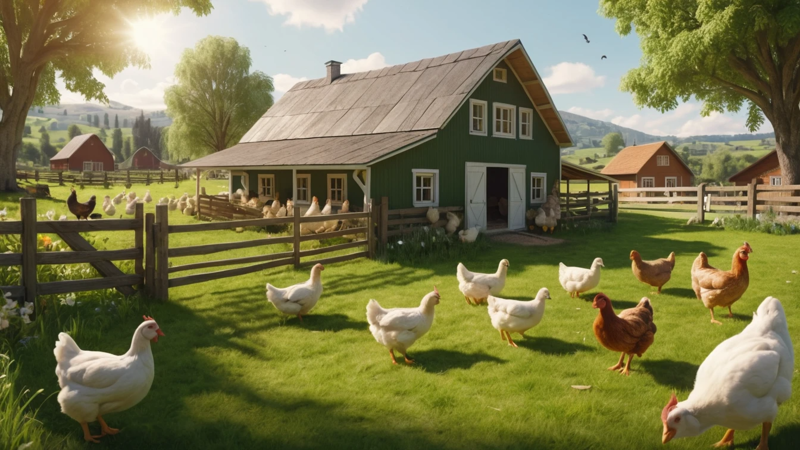
Chickens are often the first choice for beginner farmers. They are affordable and easy to manage. Most cities even allow backyard chickens. That makes them perfect for small farms.
Chickens provide fresh eggs almost daily. Some breeds also produce meat. They eat kitchen scraps, grains, and insects. Their coop setup is simple and low cost.
Why Chickens Are Great:
- Low startup cost
- Quick egg production
- Small space required
- Easy daily care
You can start with 4–6 hens. That’s enough for a family’s egg supply. It’s a simple way to enter the world of livestock for beginners.
Ducks: Hardy And Low Maintenance 🦆
Ducks are tougher than chickens. They resist many diseases. They also tolerate cold and wet weather better. If you live in a rainy area, ducks may be ideal.
They lay rich, nutritious eggs. Some people prefer duck eggs for baking. Ducks also help control pests like slugs. That’s a bonus for gardeners.
They do need water access. A small kiddie pool works fine. Clean water daily, and they stay happy.
Goats: Friendly And Productive 🐐
Goats are playful and smart. Many beginners love their personality. They provide milk, meat, and even weed control. That makes them versatile farm animals.
However, goats need secure fencing. They are known escape artists. Proper shelter and minerals are important too.
Goat Benefits:
- Fresh milk daily
- Natural brush clearing
- Small pasture needs
- Strong market demand
Dairy goats like Nubians and Nigerian Dwarfs are popular. They are smaller and easier to manage. If you want milk without a cow, goats are perfect.
Sheep: Calm And Profitable 🐑
Sheep are quieter than goats. They are less likely to escape fences. Many beginners find them easier to manage.
They provide wool, meat, and sometimes milk. Sheep graze calmly and maintain pasture land. They also require less active handling than goats.
Here’s a simple comparison:
| Animal | Main Benefit | Space Needed | Care Level |
| Chickens | Eggs | Very Small | Easy |
| Goats | Milk | Medium | Moderate |
| Sheep | Wool/Meat | Medium | Easy |
| Ducks | Eggs | Small | Easy |
Sheep like Dorper or Katahdin breeds are low maintenance. They shed hair naturally. That means no shearing needed.
Rabbits: Small Space, Big Return 🐇
Rabbits are ideal for tiny homesteads. They reproduce quickly. They provide lean meat and fertilizer for gardens.
They require hutches and protection from heat. Feeding is simple. Hay, pellets, and fresh greens work well.
Many beginners like rabbits because:
- They are quiet
- They need little space
- Startup costs are low
- Fast reproduction
Rabbits are often overlooked. But they are one of the most practical backyard farm animals.
Honey Bees: Sweet And Sustainable 🍯
Beekeeping is growing fast in the U.S. Bees need little space. They produce honey and improve pollination.
You don’t need acres of land. A small backyard works fine. Initial equipment costs are moderate, but returns can be sweet.
Bees require learning and safety steps. Still, many beginners succeed with proper guidance. Honey, beeswax, and pollination benefits make them worthwhile.
Pigs: Not Always Beginner-Friendly 🐖
Pigs grow fast and produce quality meat. But they need strong fencing and more feed. They also require space and daily cleaning.
Beginners can raise pigs successfully. However, they demand more time and strength. If you’re brand new, start smaller.
Mini pig breeds exist, but even small pigs need care. Consider pigs after gaining experience with easier livestock.
Cows: A Bigger Commitment 🐄
Cows provide large amounts of milk or beef. But they need acres of pasture. Feed costs are higher. Veterinary care can also be expensive.
For beginners with limited land, cows may feel overwhelming. Miniature cow breeds are an option. Still, they require serious planning.
If your goal is milk, goats are often easier. Start small. Grow bigger later.
Space Requirements For Beginners 📏
Before buying animals, measure your land. Space matters for health and happiness.
Here’s a quick guide:
| Animal | Minimum Space Per Animal |
| Chicken | 4 sq ft coop space |
| Duck | 4–6 sq ft |
| Goat | 200 sq ft yard |
| Sheep | 250 sq ft pasture |
| Rabbit | 12 sq ft hutch |
Always check local zoning laws. Some cities limit livestock. Planning ahead prevents problems later.
Cost Breakdown For Starter Animals 💰
Budget is important for beginner farming. Costs vary depending on animal type.
- Chickens: Low cost
- Ducks: Low to moderate
- Rabbits: Very low
- Goats: Moderate
- Sheep: Moderate
Expenses include:
- Housing
- Feed
- Vet care
- Equipment
Start with animals that match your budget. Growing slowly reduces financial stress.
Daily Care And Time Commitment ⏰
All farm animals need daily attention. Feeding, watering, and cleaning are non-negotiable. Some animals need more hands-on care.
Chickens and rabbits take about 20–30 minutes daily. Goats and sheep require more time. Milking adds extra effort.
Be realistic about your schedule. Consistency keeps animals healthy.
Best Farm Animals For Small Backyards 🏡
If you have limited space, focus on:
- Chickens
- Ducks
- Rabbits
- Bees
These animals adapt well to suburban settings. They also create less noise. Always check local regulations before starting.
Small backyard farming can still produce eggs, meat, and honey. You don’t need acres to begin.
Climate Considerations 🌦️
Different animals handle climates differently. Ducks love wet weather. Goats prefer dry conditions. Chickens tolerate most climates with shelter.
Cold climates require insulated housing. Hot climates need shade and airflow. Water access is always essential.
Choose animals suited to your region. It reduces stress and vet bills.
Beginner Mistakes To Avoid 🚫
Starting a farm is exciting. But common mistakes can cause frustration.
Avoid these:
- Buying too many animals at once
- Skipping proper fencing
- Ignoring local laws
- Underestimating feed costs
“Start small. Learn fast. Grow slowly.” 🌱 That mindset leads to success.
Combining Animals For Efficiency 🔄
Many beginners combine species. Chickens and goats work well together. Bees help gardens thrive. Ducks reduce pests.
Mixed farming improves productivity. It also spreads income sources.
Just ensure proper separation at night. Predator protection is essential.
Most Profitable Beginner Animals 💵
Profit depends on demand and location. In many U.S. areas, these perform well:
- Eggs from chickens
- Goat milk products
- Honey
- Rabbit meat
Local farmer’s markets can boost income. Start with what sells nearby.
Here’s a simple profit potential comparison:
| Animal | Income Source | Market Demand |
| Chickens | Eggs | High |
| Goats | Milk/Cheese | Growing |
| Bees | Honey | High |
| Rabbits | Meat | Moderate |
Research your local market before choosing.
Final Thoughts On Starting Your Farm 🌾
The best farm animals for beginners are simple, hardy, and productive. Chickens often rank first. Ducks, rabbits, goats, and sheep follow closely.
Start with one or two species. Learn their care deeply. Build experience slowly. Farming is a journey, not a race.
With smart planning, even a small backyard can become a thriving mini farm. And nothing beats gathering food you raised yourself. 🥚🍯
FAQs
What Are The Easiest Farm Animals For First-Time Owners?
Chickens are usually the easiest. They need small space and simple care. They also produce eggs quickly.
How Many Chickens Should A Beginner Start With?
Start with four to six hens. That provides enough eggs for a family. It also keeps chores manageable.
Are Goats Hard To Raise For Beginners?
Goats need strong fencing and daily care. They are friendly but active. With preparation, beginners can succeed.
What Farm Animal Makes The Most Money For Beginners?
Egg-laying chickens and honey bees often bring steady income. Demand stays strong year-round. Local markets increase profits.
Can I Raise Farm Animals In A Small Backyard?
Yes, many beginners start small. Chickens, rabbits, and bees fit well in small spaces. Always check local laws first.
Leave a Reply