

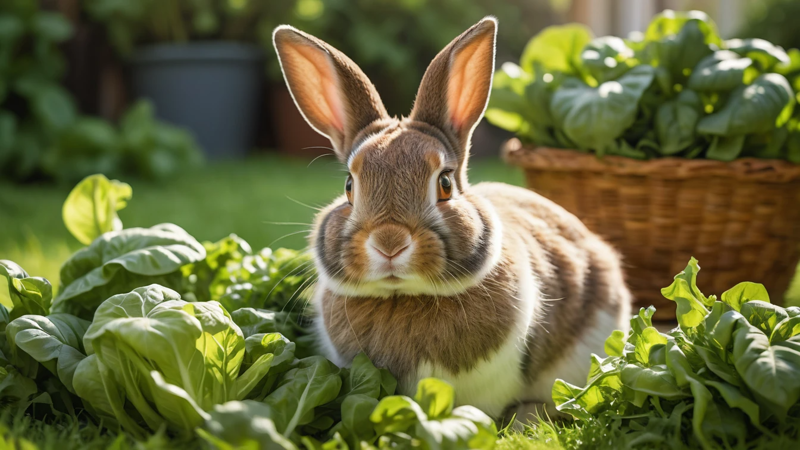
Best food for rabbits with sensitive stomachs that support digestion, reduce gas, and keep your bunny healthy and happy.
Rabbits with sensitive stomachs need simple, fiber-rich foods like hay, gentle greens, and limited pellets. Avoid sugary or gas-forming foods. A balanced, clean diet supports digestion, prevents bloating, and keeps your bunny active and healthy every day.
Best Food For Rabbits With Sensitive Stomachs 🐰🥬
Ever noticed your rabbit suddenly stop eating or sit quietly in a corner? That could be a sign of a sensitive stomach—and yes, diet plays a huge role.
If your bunny has digestive issues, the solution isn’t complicated. You just need to focus on simple, clean, and fiber-rich foods. Rabbits have delicate digestive systems, and even small mistakes can lead to serious discomfort.
Let’s break it all down in a way that’s easy to follow and actually works.
Why Some Rabbits Have Sensitive Stomachs 🤔
Some rabbits are naturally more sensitive than others. Their digestive systems rely on a delicate balance of bacteria. When this balance is disturbed, problems begin.
Stress, sudden diet changes, or low fiber intake can trigger issues. Even too many treats can upset their gut. Young rabbits and older rabbits are especially vulnerable.
👉 The key is consistency. Rabbits thrive on routine. Sudden food changes are one of the biggest causes of stomach problems.
Signs Your Rabbit Has Digestive Issues 🚨
Your rabbit can’t tell you what’s wrong. But their behavior speaks loudly.
Look out for these signs:
- Loss of appetite
- Small or no droppings
- Bloating or hard stomach
- Sitting hunched or inactive
- Grinding teeth (pain sign)
If you notice these, act fast. Digestive issues in rabbits can become serious quickly.
The Golden Rule: Fiber Is Everything 🌾
Fiber is the backbone of a rabbit’s diet. It keeps their digestive system moving properly.
Without enough fiber, food slows down in the gut. This can cause gas, pain, and even dangerous conditions like GI stasis.
Think of fiber as the “engine oil” for your rabbit’s body.
👉 The more natural fiber, the better your rabbit will feel.
Hay: The #1 Food For Sensitive Rabbits 🌿
Hay should make up about 80–90% of your rabbit’s diet. It’s the safest and most important food.
Timothy hay is the best option for sensitive stomachs. It’s high in fiber and low in calcium.
Other good choices include:
- Orchard grass
- Meadow hay
- Oat hay
Avoid alfalfa hay for adult rabbits. It’s too rich and can upset digestion.
Best Types Of Hay For Easy Digestion 🥗
Here’s a quick guide to help you choose the right hay:
| Hay Type | Best For | Why It Works |
| Timothy Hay | All adult rabbits | High fiber, gentle on gut |
| Orchard Grass | Picky eaters | Soft texture, easy to chew |
| Meadow Hay | Variety lovers | Mixed grasses, natural |
| Oat Hay | Extra fiber boost | Crunchy and filling |
👉 Rotate hay types to keep your rabbit interested without upsetting their stomach.
Fresh Greens That Are Gentle On The Stomach 🥬
Fresh greens are great—but only the right ones.
Stick to easy-to-digest leafy vegetables. Introduce them slowly and watch your rabbit’s reaction.
Safe options include:
- Romaine lettuce
- Cilantro
- Basil
- Mint
- Bok choy
Avoid iceberg lettuce. It has little nutrition and can cause issues.
Vegetables To Avoid For Sensitive Rabbits ❌
Some veggies may seem healthy but can cause gas and bloating.
Avoid these:
- Cabbage
- Cauliflower
- Broccoli (in large amounts)
- Onions
- Potatoes
These foods can disrupt digestion and lead to discomfort.
👉 Always prioritize gentle greens over gas-producing vegetables.
Safe Vegetable Choices Breakdown 🥕
| Vegetable | Safe For Sensitive Stomach? | Notes |
| Romaine Lettuce | Yes | Hydrating and mild |
| Spinach | Limited | High calcium |
| Carrots | Small amounts | High sugar |
| Bell Peppers | Yes | Vitamin-rich |
| Kale | Limited | Can cause gas |
👉 Balance is key. Even safe foods should be given in moderation.
Pellets: Helpful Or Harmful? 🟤
Pellets are often misunderstood. They’re not bad—but they must be limited.
Choose high-quality, plain pellets with no added seeds or colors.
Feed only small portions daily. Too many pellets can reduce hay intake and cause digestive issues.
👉 Think of pellets as a supplement, not the main meal.
Fruits: Treat Or Trouble? 🍎
Fruits are like candy for rabbits. They love them, but too much can harm their stomach.
Limit fruits to tiny, occasional treats.
Safe fruits include:
- Apple (no seeds)
- Banana (small slice)
- Blueberries
- Strawberries
High sugar can upset gut bacteria, so keep it minimal.
Hydration: The Overlooked Secret 💧
Water plays a huge role in digestion. Without enough hydration, food can’t move smoothly.
Always provide fresh, clean water. Some rabbits prefer bowls over bottles.
👉 A hydrated rabbit is a healthy rabbit.
Best Daily Diet Plan For Sensitive Rabbits 📅
Here’s a simple daily feeding plan:
| Time | Food Type | Portion |
| Morning | Fresh hay | Unlimited |
| Afternoon | Leafy greens | 1–2 cups |
| Evening | Small pellets | 1/4 cup |
| Anytime | Fresh water | Always available |
👉 Keep the routine consistent. Rabbits love predictability.
Foods That Help Improve Gut Health 🌱
Certain foods can support digestion naturally.
These include:
- Fresh herbs like dill and mint
- High-fiber hay
- Small amounts of fennel
These foods help maintain a healthy gut balance.
Foods That Trigger Stomach Problems ⚠️
Avoid anything processed or sugary.
Common triggers include:
- Commercial treats
- Bread or grains
- Dairy products
- Sugary snacks
These foods can disrupt the delicate gut system quickly.
How To Introduce New Foods Safely 🐾
Never rush when adding new foods. Slow changes are essential.
Follow this method:
- Introduce one food at a time
- Start with a small portion
- Wait 24–48 hours
- Watch for changes in droppings
👉 If anything seems off, remove the new food immediately.
The Role Of Probiotics For Rabbits 🧪
Some rabbit owners use probiotics to support gut health. These can help restore balance after illness.
However, not all rabbits need them. A proper diet usually does the job.
👉 Always consult a vet before adding supplements.
Common Feeding Mistakes To Avoid ❌
Even loving rabbit owners make mistakes.
Here are common ones:
- Feeding too many treats
- Not providing enough hay
- Sudden diet changes
- Overfeeding pellets
👉 Fixing these can dramatically improve your rabbit’s health.
When To See A Vet 🩺
If your rabbit stops eating or shows signs of pain, don’t wait.
Digestive issues can become serious quickly. Early treatment can save your rabbit’s life.
👉 Trust your instincts. If something feels wrong, get help.
Conclusion: Keep It Simple, Keep It Natural 🌿
Caring for a rabbit with a sensitive stomach isn’t complicated. It just requires attention and consistency.
Focus on hay, gentle greens, and limited pellets. Avoid sugary or gas-forming foods. Keep their diet clean and predictable.
👉 Remember: A healthy gut means a happy bunny.
FAQs 🐇
What Is The Best Hay For Sensitive Rabbits?
Timothy hay is the best choice for most rabbits. It is high in fiber and easy to digest. It helps keep the gut moving smoothly.
Can Rabbits With Sensitive Stomachs Eat Carrots?
Yes, but only in small amounts. Carrots contain sugar and should be treated as a snack. Too much can upset digestion.
How Do I Know If Food Upsets My Rabbit?
Watch for changes in droppings or behavior. Loss of appetite or bloating are warning signs. Remove the food immediately if symptoms appear.
Are Pellets Necessary For Sensitive Rabbits?
Pellets are optional but helpful in small amounts. Choose plain, high-fiber pellets only. Avoid mixes with seeds or added sugar.
How Often Should I Feed Greens To My Rabbit?
You can feed fresh greens daily in small portions. Always introduce new greens slowly. Monitor your rabbit for any reactions.


Leave a Reply