


Top cat breeds for small spaces that stay calm, compact, and happy in apartments. Find the best low-space cats today.
Top cat breeds for small spaces are calm, adaptable, and low-energy cats that thrive indoors. Breeds like Ragdolls, British Shorthairs, and Scottish Folds do well in apartments because they need less room, enjoy quiet environments, and bond closely with their owners.
Ever wondered if living in a small apartment means giving up on owning a cat? 🐾
Good news—it doesn’t.
The top cat breeds for small spaces are not about size alone. They’re about personality, energy level, and adaptability. Some cats actually prefer cozy homes. They love quiet corners, window views, and close human company.
Let’s explore the best cat breeds that truly shine in small living spaces.
Top Cat Breeds For Small Spaces 🏡🐱
Understanding What Makes A Cat Apartment-Friendly 🧠
Not all cats need large homes. Many thrive in compact spaces with the right setup. The key factors are temperament, activity level, and noise tolerance.
Apartment-friendly cats are usually calm and relaxed. They enjoy routines and predictable environments. These cats don’t feel stressed without outdoor access.
They also adapt well to vertical spaces. Cat trees, shelves, and window perches help them feel secure. Small spaces can still feel big to the right cat.
Why Temperament Matters More Than Size 😺
Many people assume small cats fit small homes. That’s not always true. A hyperactive kitten may struggle more than a larger, calm adult.
Temperament controls how cats handle limited space. Calm cats nap often and play gently. High-energy cats may feel frustrated indoors.
Look for cats described as easygoing, laid-back, or affectionate. These traits matter more than body size.
British Shorthair – Calm And Independent 🐾
British Shorthairs are perfect for apartments. They are quiet, gentle, and not demanding. These cats enjoy being near you without constant attention.
They handle alone time well. This makes them great for working professionals. They rarely climb curtains or cause chaos.
Their plush coats and round faces give them a teddy bear look. They’re low-drama cats who love peaceful homes.
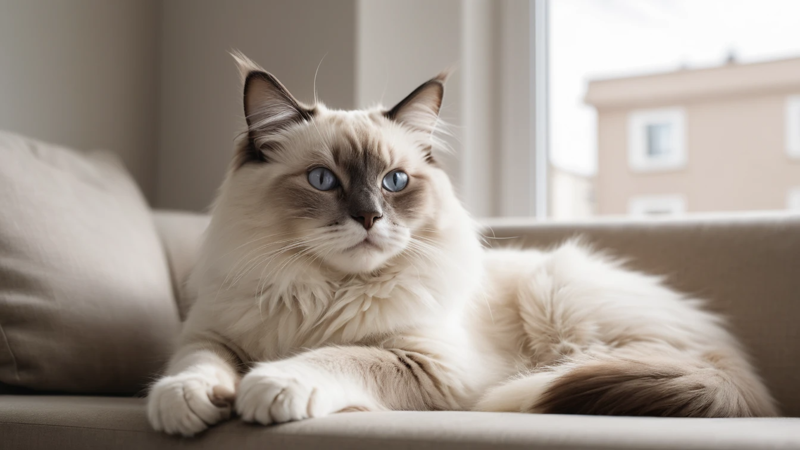
Ragdoll – Relaxed And Affectionate 💙
Ragdolls are famous for their calm nature. They often go limp when held. This relaxed attitude makes them ideal for small spaces.
They love human company and follow you around. However, they are not overly active. Short play sessions are enough.
Ragdolls prefer indoor life. Apartments feel safe and comforting to them. They thrive on affection, not square footage.
Scottish Fold – Quiet And Adaptable 🐱
Scottish Folds are gentle and soft-spoken. Their folded ears give them a unique, sweet look. They adjust quickly to new homes.
These cats enjoy routine. They dislike loud environments. Small, quiet apartments suit them well.
They bond deeply with owners. You’ll often find them sitting nearby, watching calmly.
Persian – Low Energy And Laid-Back 😴
Persian cats are known for their slow pace. They love lounging and sleeping. Running around is not their thing.
Their low energy makes them perfect for small spaces. They enjoy soft beds and quiet rooms.
However, they need regular grooming. If you enjoy calm companionship, Persians are a great match.
Apartment-Friendly Traits Comparison
| Cat Breed | Energy Level | Noise Level | Space Needs |
| British Shorthair | Low | Very Quiet | Minimal |
| Ragdoll | Low–Medium | Quiet | Minimal |
| Persian | Very Low | Very Quiet | Minimal |
Russian Blue – Quiet And Intelligent 🧠
Russian Blues are gentle and smart. They are shy at first but loyal once bonded. These cats enjoy peaceful homes.
They don’t demand constant play. Mental stimulation works better than physical activity. Puzzle toys are a great choice.
Their soft, plush coats add to their appeal. They thrive in calm apartments with consistent routines.
Burmese – Compact And People-Oriented ❤️
Burmese cats are small to medium-sized. They are affectionate and love human interaction. Despite this, they don’t need much space.
They enjoy interactive play but settle quickly. Short play sessions keep them happy.
These cats dislike isolation. Small apartments work well because owners are always close.
Exotic Shorthair – The Lazy Companion 🛋️
Exotic Shorthairs are similar to Persians. They share the same calm personality but have shorter coats.
They enjoy lounging and observing. Active play is brief and gentle.
If you want a low-maintenance, relaxed cat, this breed is a solid choice for apartments.
Siamese – Best For Small Spaces With Engagement 🎤
Siamese cats are vocal and social. They adapt well to apartments if they get attention.
They are more active than others. Vertical spaces help manage their energy.
If you’re home often and enjoy interaction, Siamese cats can thrive in small homes.
Best Breeds Based On Lifestyle Needs
| Lifestyle | Best Cat Breeds |
| Busy Professional | British Shorthair, Russian Blue |
| Home Most Of Day | Ragdoll, Burmese |
| Quiet Home | Persian, Scottish Fold |
| Interactive Owner | Siamese, Burmese |
Maine Coon – Can Big Cats Live Small? 🤔
Maine Coons are large cats. Surprisingly, many adapt well to apartments.
They are gentle giants. Their calm personality helps them adjust.
However, vertical space is essential. Cat trees and shelves help them move comfortably indoors.
Sphynx – Space Doesn’t Matter, Warmth Does 🔥
Sphynx cats don’t need much room. They care more about warmth and companionship.
They love laps, blankets, and heated beds. Apartments are perfect if kept warm.
These cats are social and playful. Daily interaction keeps them happy indoors.
Older Cats – An Overlooked Apartment Gem 💎
Senior cats are often overlooked. They are calm, trained, and low-energy.
They don’t need large spaces. They prefer comfort and predictability.
Adopting an older cat is a great choice for small homes. It’s rewarding too.
Indoor Enrichment For Small Apartments 🧸
Small spaces need smart enrichment. Cats need mental stimulation, not just room.
Simple additions make a big difference. Vertical spaces are essential.
- Wall shelves
- Window perches
- Puzzle feeders
- Soft hiding spots
These keep cats happy and engaged indoors.
Must-Have Apartment Cat Essentials
| Item | Why It Helps |
| Cat Tree | Adds vertical territory |
| Window Perch | Mental stimulation |
| Puzzle Toys | Prevent boredom |
| Quiet Litter Box | Reduces stress |
Common Mistakes Small-Space Cat Owners Make 🚫
Many owners underestimate stimulation needs. A bored cat becomes destructive.
Another mistake is ignoring vertical space. Floors alone aren’t enough.
Lastly, loud environments stress apartment cats. Calm routines matter more than space.
How To Choose The Right Cat For Your Space 🐾
Start with your lifestyle. Ask yourself how much time you’re home.
Consider noise tolerance and energy level. Be honest about grooming needs.
The right cat feels comfortable, not cramped. Personality always wins.
Conclusion: Small Space, Big Love ❤️
Living in a small home doesn’t limit cat ownership. The top cat breeds for small spaces are calm, adaptable, and affectionate.
Focus on temperament, not size. Provide enrichment, routine, and love.
With the right breed, even the smallest apartment becomes a happy cat home.
FAQs 🐱❓
Which cat breeds are best for small apartments?
British Shorthairs, Ragdolls, and Persians are ideal. They are calm and low-energy. These cats adapt well to indoor living.
Are cats happy living in small spaces?
Yes, many cats prefer cozy environments. Proper enrichment is key. Vertical space makes a big difference.
What is the quietest cat breed for apartments?
Persians and British Shorthairs are very quiet. They rarely vocalize. This makes them great for close neighbors.
Can indoor cats live without outdoor access?
Absolutely. Many breeds thrive indoors only. Mental stimulation keeps them satisfied.
How do I keep my apartment cat entertained?
Use puzzle toys, window perches, and climbing shelves. Rotate toys often. Short daily play sessions help a lot.



Leave a Reply