
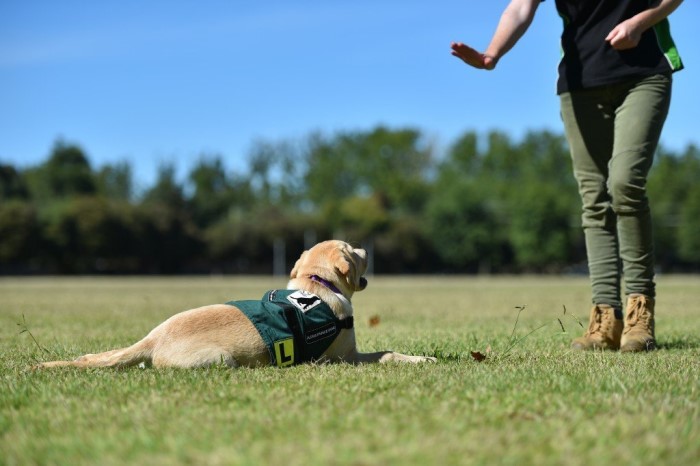
Therapy dog training can unlock your pup’s full potential to spread love and comfort—learn the essentials and steps to start today.
Therapy Dog Training: Unleashing Canine Compassion
Ever looked into your pup’s eyes and thought, “You could change someone’s life”…?
Well, you might just be right. 🐶❤️
Therapy dogs are more than just cuddly companions. They’re emotional healers and mood lifters. They bring peace to hospitals, schools, and even courtrooms. But how do you train a dog to become one of these furry superheroes?
You’re in the right place.
Whether you have a golden retriever or a mixed breed, this guide will help. It covers therapy dog training from temperament to certification. And yes, you can start today.
Let’s dig in. 🦴
What Is a Therapy Dog, Really?
A therapy dog is a specially trained pup. They provide emotional comfort and affection. They visit hospitals, retirement homes, schools, or stressful places.
Unlike service dogs, therapy dogs are non-service pets. They work with their owner to help others feel calm and supported.
They’re like the emotional firefighters of the dog world. 🧯🔥
Who Can Benefit from a Therapy Dog?
Everyone can benefit from a therapy dog. But they help a lot:
- Patients in hospitals or mental health facilities
- Students during finals week 🧠📚
- Seniors in assisted living
- Children in foster care
- Trauma or disaster survivors
Anywhere there’s emotional strain, a therapy dog can bring comfort.
Key Qualities of a Great Therapy Dog
Not every dog is born for this. Here are some top traits:
- Friendly and non-aggressive
- Calm in chaotic environments
- Comfortable being touched by strangers
- Obedient and well-socialized
- Not easily startled by noises, wheelchairs, or crowds
In other words, Lassie vibes with a sprinkle of chill. 🐕
Therapy Dog vs. Emotional Support Dog vs. Service Dog
Let’s clear this up—it’s a frequent source of confusion.
| Type of Dog | Purpose | Legal Access Rights | Training Required |
|---|---|---|---|
| Therapy Dog | Comfort to others | None (no public access) | Yes |
| Emotional Support Dog | Comfort to owner | Some (housing) | No (but recommended) |
| Service Dog | Assists person with disability | Full public access | Yes (extensive) |
Therapy dogs are more like volunteers, while service dogs are workers. Emotional support dogs are personal companions.
Can Any Dog Become a Therapy Dog?
Technically, yes. But not every dog should.
It’s not about breed—it’s about temperament and behavior.
Even a Chihuahua can be a great therapy dog if they’re calm, gentle, and love people. 🐾
When Should You Start Training?
The earlier, the better.
🐶 Puppies as young as 8 weeks can start basic obedience and socialization. But, most therapy dog groups need dogs to be at least one year old for certification.
Basic Obedience is Step One
Before your dog can bring joy to others, they must listen to you all the time.
Here’s a quick checklist:
- Sit
- Stay
- Come
- Down
- Leave it
- Heel
These aren’t just “tricks.” They’re tools for safety and control in public.
Socialization Is a Must
Exposure is key.
Introduce your dog to:
- Different environments (parks, cafes, busy streets)
- People of all ages and appearances
- Unusual equipment (wheelchairs, canes, hospital beeps)
- Other dogs, cats, and even squirrels 🐿️
The goal is confidence, not chaos.
Desensitization to Distractions
A therapy dog needs to stay focused even when chaos happens around them.
Here’s how to practice:
- Drop a pan: Does your dog stay calm or bolt?
- Loud TV or radio? Keep training through it.
- Stranger hugs them? No growling allowed.
Pro Tip: Practice in different places, not just your living room.
Teach Your Dog the “Touch” Command
This one’s gold.
The touch command trains your dog to gently place their nose on someone’s hand. It’s a great way to encourage interaction in nervous or hesitant people.
👃 Nose boops make hearts melt.
Master the Therapy Dog Test Requirements
Most organizations (like Alliance of Therapy Dogs or Pet Partners) will test for:
- Reactions to loud noises
- Comfort around medical equipment
- Ability to sit for petting by strangers
- No jumping, growling, or overexcitement
- Focus on handler at all times
Think of it as a polite dog’s version of a job interview.
Top Therapy Dog Training Programs in the U.S.
Here’s a quick glance at some popular certifying bodies:
| Organization | Website | Notes |
|---|---|---|
| Alliance of Therapy Dogs | www.therapydogs.com | Accepts mixed breeds, national coverage |
| Pet Partners | www.petpartners.org | Comprehensive training & evaluation |
| Love on a Leash | www.loveonaleash.org | Great for community events & schools |
Choose the one that fits your goals and region.
Volunteer Opportunities for Therapy Dogs
Once certified, your dog can volunteer at:
- Hospitals 🏥
- Nursing Homes 🛏️
- Libraries (Reading Programs) 📖
- Schools & Colleges 🎓
- Crisis Response Events 🚨
Contact local facilities or programs to get started.
What You’ll Need to Get Certified
Here’s your starter pack:
- Proof of current vaccinations
- Clean bill of health from your vet
- A well-fitting leash and collar/harness
- Time for a supervised visit or two (evaluation)
- Optional: Therapy vest (for ID purposes)
It’s not just about paperwork. It’s about readiness.
Can You Train a Therapy Dog Yourself?
Absolutely. You don’t need a trainer, but it helps—
if this is your first go.
Here’s a hybrid approach that works:
- Start at home with basic obedience
- Enroll in group obedience classes
- Work with a therapy dog trainer to refine skills
This combo keeps training effective, affordable, and realistic.
Common Mistakes to Avoid
Let’s dodge these beginner errors:
- Rushing the process 🕒
- Skipping socialization
- Using harsh punishment methods
- Ignoring your dog’s comfort or anxiety
- Not maintaining skills after certification
Remember: This is a journey. Not a sprint.
How Long Does Therapy Dog Training Take?
Expect anywhere from 6 months to 1 year depending on:
- Your dog’s starting behavior
- How often you train
- Whether you use a pro trainer
- Age, breed, and personality
Patience is your best leash.
Benefits for YOU and Your Dog
It’s not just about others.
You’ll also gain:
- Stronger bond with your dog
- A sense of purpose and contribution
- Regular social interaction
- Improved dog behavior
- Endless tail wags 🐕✨
Therapy work is a two-way street.
Therapy Dog Gear You Might Want
Here’s a little gear guide for aspiring therapy pups:
- Therapy Dog Vest (for visibility)
- Treat pouch (positive reinforcement)
- Calming spray (for stressful environments)
- Dog ID card (issued by org)
- Foldable water bowl (on-the-go hydration)
🛍️ You don’t need all this, but it sure helps!
Conclusion: Time to Unleash Your Dog’s Inner Hero
Here’s the truth: Not every dog is cut out for therapy work—but if yours is, you’ve got the power to change lives, one paw at a time.
Whether you’re just starting obedience training or halfway through certification, stay consistent, kind, and committed.
Because someone out there needs your dog’s love.
And chances are, your dog is more than ready to give it.
FAQs
1. Do therapy dogs get special public access like service dogs?
No, therapy dogs do not have public access rights under ADA. They need permission to enter facilities.
2. How much does therapy dog certification cost?
It usually ranges from $50–$150, depending on the organization and evaluation process.
3. Can aggressive dogs become therapy dogs?
Unfortunately, no. Therapy dogs must be calm, non-aggressive, and comfortable around strangers.
4. Do therapy dogs have to wear a vest?
Not legally, but many handlers use vests to identify their dogs during visits—it helps with communication and visibility.
5. Can I train a rescue dog to be a therapy dog?
Yes! Many rescue dogs make excellent therapy animals with the right temperament and training.

