


Dog training classes that work! Discover 11 fun, effective methods to transform your dog’s behavior today. Perfect for new or seasoned pet parents.
Dog Training Classes That Work
Ever feel like your dog has selective hearing? Or maybe your pup thinks “sit” means “run in circles”? You’re not alone.
Dog owners everywhere struggle with training, but you don’t have to go it alone. That’s where dog training classes come in.
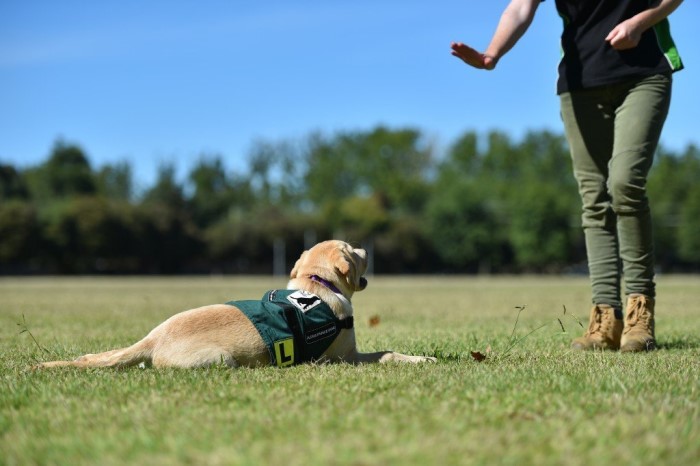
Let’s get straight to it. Dog training classes help your pup learn how to behave while making your life easier. Whether you’ve got a brand-new puppy or a grown dog with a stubborn streak, the right training class can make a world of difference.
Why Dog Training Classes Are a Game Changer
Here’s what structured dog training gives you:
- A dog that listens to commands
- Better communication between you and your pup
- Reduced stress and fewer chewed-up shoes
- Safe socialization with other dogs
- A happier, calmer dog overall
Are you thinking about trying training classes? Let’s explore the types of classes and how they can help you and your dog live happily.
1. Puppy Kindergarten 🐶
This is like pre-school for puppies. It’s for puppies under 5 months old.
What they learn:
- Name recognition
- Potty training tips
- Basic commands like sit and stay
- Social skills with humans and other puppies
Pro Tip: Enroll early. The younger they are, the easier they learn.
2. Basic Obedience Classes
These classes are great for dogs of any age who haven’t had much training.
Key skills taught:
- Leash manners
- Sit, down, stay, and come
- No jumping on guests
- Respect for boundaries
Bonus: Great bonding time for you and your dog.
3. Intermediate Obedience Training
Already got the basics down? Level up with intermediate classes.
Dogs learn to:
- Obey in distracting environments
- Walk politely in public spaces
- Wait patiently (even when excited)
- Perform longer-duration commands
4. Advanced Obedience Training
For pups that have nailed the basics and intermediate stages.
What to expect:
- Off-leash reliability
- Complex commands (like “go to your bed” from across the room)
- Remote commands
- Focus in high-distraction settings
Fun Fact: Many therapy dogs or service dogs go through this level.
5. Socialization Classes 🐾
Some dogs are shy or reactive. Socialization classes help them become more comfortable around others.
Benefits include:
- Reduced fear and aggression
- Improved play behavior
- Confidence in public
- Positive interaction with people and pets
“A well-socialized dog is a safer, happier dog.”
6. Agility Classes 🏃♂️
If your dog has lots of energy, agility training is great.
What it includes:
- Jumps, tunnels, weave poles
- Speed and precision drills
- Owner-dog teamwork
These classes build confidence and provide amazing exercise.
Table: Comparison of Obedience Training Levels
| Training Level | Skills Taught | Ideal For |
|---|---|---|
| Basic | Sit, Stay, Come, Leash Manners | Beginners, new dog owners |
| Intermediate | Commands in public, Distraction response | Dogs with prior training |
| Advanced | Off-leash, Distance commands, High distraction | Service dogs, expert dogs |
7. Leash Training Classes
Tired of your dog pulling you? Leash training can help.
What they cover:
- Loose-leash walking
- Heel command
- Ignoring distractions
You’ll enjoy walks again—promise!
8. Crate Training Workshops
Crate training isn’t about keeping your dog in. It’s about giving them a safe space.
Learn how to:
- Introduce the crate positively
- Use it for sleep and travel
- Prevent accidents
- Stop separation anxiety
9. Behavior Modification Classes
Got a biter? A jumper? A barker? Behavior classes can help.
Issues addressed:
- Aggression
- Fear-based reactions
- Excessive barking
- Separation anxiety
These classes are often run by certified animal behaviorists.
10. Tricks and Fun Skills
Want your dog to shake, spin, or play dead? Trick classes can teach them.
Popular tricks include:
- High five
- Roll over
- Speak on command
- Fetch specific items
Great mental stimulation and party tricks! 🥳
11. Therapy Dog Certification Prep
If your dog is gentle and calm, therapy work might be their calling.
This training focuses on:
- Calmness in chaotic environments
- Being handled by strangers
- Passing temperament tests
- Building long-duration focus
Amazing for owners who want to give back to the community.
Table: Types of Dog Training by Focus
| Class Type | Focus Area | Best For |
| Puppy Kindergarten | Social skills, basics | New puppy owners |
| Leash Training | Walking manners | Dogs pulling on walks |
| Behavior Modification | Specific issues | Reactive or anxious dogs |
| Tricks & Fun Skills | Playful learning | Active or bored dogs |
| Therapy Dog Prep | Calm focus, socialization | Aspiring therapy dog teams |
Choosing the Right Dog Training Class
Before you sign up, think about these things:
- Your dog’s age and how they act
- The trainer’s skills and way of teaching
- How many dogs are in the class
- What you want to learn
- When and where you can go
Pro Tip: Try to watch a class before you decide.
In-Person vs. Online Dog Training Classes
Both types have good points. Let’s look at them:
In-Person Pros:
- You get hands-on help
- It’s great for meeting other dogs
- You get feedback right away
Online Pros:
- It’s easy to fit into your schedule
- You can train at your own pace
- It’s often cheaper
Table: Online vs. In-Person Training
| Feature | In-Person | Online |
| Trainer Feedback | Right away | Later or on your own |
| Cost | More expensive | Less expensive |
| Socialization | Yes | No |
| Convenience | You have to travel | Train anytime |
How Long Do Dog Training Classes Last?
Most classes last:
- 6 to 8 weeks
- Once a week
- 60 to 90 minutes each time
You’ll see big changes in just a few weeks. Being consistent is key.
Signs of a Great Dog Trainer
When picking a trainer or school, look for:
- Positive methods
- Certified trainers (CPDT, IAABC, or KPA)
- They are patient and kind
- They explain things clearly
“The best dog trainers teach humans too.”
Real Talk: Are Dog Training Classes Worth It?
Short answer? Absolutely.
If you want:
- Less chewed-up shoes
- Happier walks
- A stronger bond
- A more confident dog
Then yes, training classes are worth every penny.
Final Thoughts
Dog training classes are the secret sauce to a well-behaved, happy pup. They help your dog thrive. They also build your confidence as a pet parent. Plus, they make your home calmer.
Whether you’re raising a puppy or retraining an older dog, there’s a class for you. Your future self (and furniture) will thank you!
FAQs
1. What age should I start dog training classes?
You can start as early as 8 weeks old with puppy kindergarten. It’s never too late to start, though.
2. Are group classes or private sessions better?
Group classes are great for socialization. Private sessions work better for dogs with behavior issues.
3. How much do dog training classes cost?
They range from $100 to $300 for a 6-week course. This depends on location and trainer experience.
4. Can I train my dog without a class?
Yes, but professional classes help speed up learning. They also fix common mistakes.
5. What if my dog fails the class?
There’s no such thing! Every dog learns at their own pace. Repeating a class can reinforce skills.




Leave a Reply